Sleep Apnea and Your Mouth: Warning Signs Dentists Spot and Treatment Paths
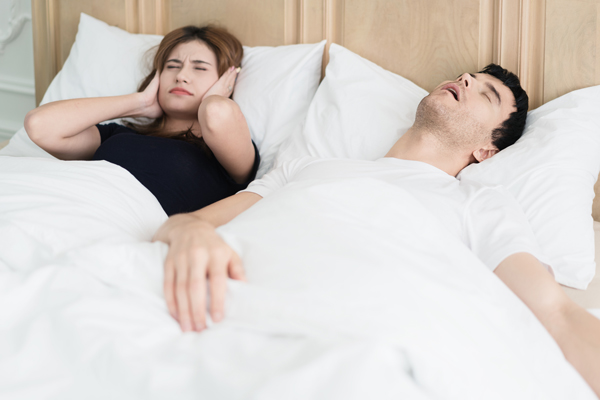
Sleep apnea can affect far more than nightly rest, as it often influences breathing patterns, oral health, energy levels, and overall wellness in ways that compound over time. While many people think of this condition as a sleep issue alone, the mouth, jaw, tongue, and surrounding tissues often play an important role in the warning signs and treatment process. Dentists are in a unique position to notice clues during routine exams, especially when certain oral structures suggest an increased risk of airway obstruction. Recognizing those signs early can help patients move toward proper evaluation and treatment before symptoms continue to interfere with daily life.
How the mouth can reveal signs of sleep apnea
The oral cavity can provide important clues about sleep apnea because breathing patterns and airway limitations often leave visible signs behind. During an exam, a dentist may notice a narrow palate, enlarged tongue, worn teeth, scalloped tongue edges, or a crowded throat space that appears more prone to obstruction. These findings do not confirm a diagnosis on their own, but they may suggest that the airway does not remain open as easily during sleep. When these signs appear alongside symptoms like snoring or daytime fatigue, further evaluation becomes more important.
Soft tissue changes can also raise concern. Some patients have a low-hanging soft palate, enlarged tonsils, or excess tissue in the back of the mouth that may contribute to restricted airflow at night. Others show signs of chronic mouth breathing, which can dry the oral tissues and affect overall comfort. Dentists look at more than just teeth during a checkup, and these structural details often help identify concerns that may otherwise go unnoticed. This makes routine dental visits valuable for more than just cavity prevention.
Common dental clues that point to an airway problem
One of the most common signs dentists spot is teeth grinding, also called bruxism. While grinding can occur for several reasons, it sometimes occurs in people whose bodies repeatedly tense the jaw during sleep, as breathing becomes disrupted. Over time, this habit can wear down the teeth, strain the jaw joints, and cause soreness that initially seems unrelated to sleep. When a dentist observes unusual wear patterns, sleep apnea may come up in the conversation.
Dry mouth is another clue that may point toward nighttime breathing trouble. Patients who breathe through the mouth during sleep often wake with dryness, bad breath, or throat irritation. Saliva plays an important role in protecting the teeth and gums, so chronic dryness can also raise the risk of cavities and gum inflammation. In addition, a dentist may hear repeated comments about poor sleep, morning headaches, or daytime exhaustion during routine appointments. When oral findings accompany these symptoms, the need for a sleep-related evaluation becomes even clearer.
Why early dental recognition matters
Early recognition matters because untreated sleep apnea can affect many parts of a person’s health and quality of life. Interrupted breathing can reduce sleep quality night after night, leaving patients tired, unfocused, and irritable during the day. Over time, the condition may also contribute to concerns involving blood pressure, cardiovascular strain, and metabolic health. A dentist does not replace a sleep physician, but a dental visit may be the first step toward identifying a problem that warrants attention.
Early conversations can also help prevent oral complications from worsening. If grinding, dry mouth, or inflamed tissues continue without addressing the underlying airway issue, the teeth and soft tissues may experience ongoing stress. Identifying the pattern early allows patients to seek the right testing and treatment while also protecting their oral health. In many cases, a dentist helps connect the dots between symptoms that seem separate but are actually related.
Treatment paths that may follow a diagnosis
Continuous Positive Airway Pressure (CPAP) is a common treatment for moderate to severe sleep apnea. This therapy uses gentle air pressure to help keep the airway open during sleep. For some patients, a custom oral appliance made by a dentist may also be appropriate. These appliances are designed to reposition the lower jaw or tongue to help maintain a more open airway. Dentists who provide this treatment often work closely with sleep physicians to make sure the appliance is both comfortable and effective.
A healthier airway can start with a dental exam
Sleep apnea often leaves clues in the mouth long before a patient connects snoring, fatigue, and oral symptoms into one larger picture. Dentists may notice worn teeth, dry mouth, soft-tissue crowding, or other structural signs that suggest the airway warrants a closer look. Those early observations can lead to proper testing and open the door to treatment paths such as CPAP, oral appliance therapy, or coordinated medical care. When warning signs are recognized early, patients have a better chance of protecting both their sleep and their long-term health. For more information or to schedule an appointment, call our office.
To schedule a consultation, please request an appointment on our website at https://artisandentalbellevue.com or call Artisan Dental Bellevue at (425) 454-2005 to arrange an appointment at our Bellevue office.
Check out what others are saying about our dental services on Yelp: Do I Have Sleep Apnea in Bellevue, WA.
Related Posts
Sleep apnea, also called obstructive sleep apnea (OSA), is a common condition that affects more than 50 million people in the United States and more than 1 billion people worldwide. In this review, we discuss the signs of sleep apnea that indicate a need for a professional diagnosis.The most common indicators of sleep apnea are…
Sleep apnea disrupts breathing during sleep and increases the risk of daytime fatigue, headaches, and cardiovascular strain. A general dentist evaluates airway health during routine visits and identifies red flags such as snoring, grinding, and jaw crowding. When appropriate, the dentist collaborates with a physician to confirm a diagnosis, then offers practical options, often an…
A snoring appliance can help reduce snoring and improve both sleep and breathing. Snoring is often caused by airway obstruction, which can disrupt sleep quality and affect overall health. Understanding how a snoring appliance works and its benefits can help determine if it is the right solution.Snoring happens when airflow is partially blocked during sleep,…
Sleep apnea treatments can significantly improve energy, focus, and general well-being. Dentists strive to help patients experience substantial relief and improved sleep through tailored treatment solutions. From comfortable oral appliances to collaborative care plans, these dental providers take a proactive approach to helping you get better rest.Sleep apnea is a common condition that disrupts breathing…