Same Day Dentistry: A Gimmick or the Future of Oral Care?
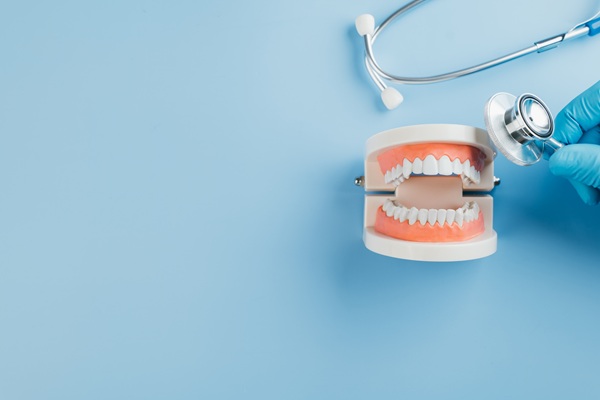
Same-day dentistry services appeal to busy patients who want faster results without sacrificing quality or safety. A same-day dentist uses advanced technology, careful planning, and efficient workflows to complete essential procedures in a single visit. This approach changes how modern practices manage crowns, repairs, and emergency care. Instead of stretching treatment over several appointments, the dental team focuses on same-day solutions that support comfort, convenience, and long-term oral health.
What same-day dentistry really means
Same-day care involves more than a quick polish or simple filling. A same-day dentist relies on digital scanners, chairside design software, and in-office milling units to create precise restorations on the same day as diagnosis. This technology captures detailed images, designs custom crowns or onlays, and mills them from strong ceramic materials in a single visit. Many practices also offer same-day bonding, emergency root canal treatment, and repairs for chipped or fractured teeth. With the right systems, patients leave with functional, natural-looking restorations instead of temporary solutions.
Advantages of choosing a same-day dentist
Same-day care supports both convenience and clinical outcomes. A same-day dentist reduces the number of injections, impressions, and follow-up visits associated with traditional multi-step procedures. The team immediately seats the final restoration, allowing direct adjustments and bite checks while the patient remains in the chair. Digital impressions eliminate the need for messy trays and often improve the accuracy of the final result. Many patients appreciate completing treatment before important events, travel, or demanding work schedules. Same-day services also reduce the risk of temporary crowns loosening, falling off, or causing sensitivity between appointments.
A same-day dentist also coordinates closely with hygienists, assistants, and front office staff to maintain an efficient schedule. Careful planning helps the practice reserve enough time for complex cases while still accommodating urgent concerns and preventive care. This level of organization supports a calmer environment, clearer communication, and a more predictable experience for every patient in the schedule.
Key advantages often include:
- Fewer visits and less time away from work, school, or family responsibilities
- Immediate placement of durable, aesthetic restorations that match neighboring teeth
- Greater control over fit, bite, and comfort during a single, focused appointment
This combination of accuracy, efficiency, and convenience helps patients experience high-quality care in a single, well-coordinated appointment.
Addressing concerns and limitations
Some patients worry that same-day care means rushed work or limited treatment options. In reality, a same-day dentist follows the same diagnostic standards, imaging protocols, and treatment planning steps as any high-quality practice. The difference lies in how the office sequences appointments and uses technology to streamline the workflow. Same-day dentistry does not replace every procedure, and some complex cases still benefit from lab-fabricated restorations or staged treatment.
For example, full-mouth reconstructions, advanced implant cases, or intricate cosmetic designs sometimes require collaboration with dental laboratories. A thorough exam, X-rays, and photographs help determine whether same-day care aligns with individual needs and long-term goals. A same-day dentist explains these boundaries clearly during consultations to keep expectations realistic. This discussion covers which teeth qualify for same-day treatment, what the healing process will involve, and how to protect new restorations through daily home care and routine professional visits.
Myths frequently surround same-day services. Some people believe that these treatments cost more than traditional options, but pricing often compares favorably once multiple visits, time off work, and additional materials the taken into account. Others assume that every practice offers identical technology and training. In reality, results depend on the skill of the same-day dentist, the quality of the equipment, and the strength of the systems in place.
Same-day dentistry and the future of care
Same-day technology continues to evolve, and more practices adopt these tools every year. A dedicated same-day dentist views these systems as a way to enhance precision, personalize care, and remove barriers that keep patients from completing treatment. As scanners, milling units, and digital workflows improve, same-day dentistry will likely play a larger role in restorative and cosmetic services. Careful case selection, transparent communication, and ongoing follow-up visits ensure that results remain stable, functional, and attractive.
For many patients, same-day services already feel less like a gimmick and more like the new standard for efficient, high-quality oral care. As more communities demand convenient options that still respect long-term health, same-day dentistry will continue to shape how practices design treatment plans, invest in technology, and deliver comprehensive oral care. For more information or to schedule an appointment, call our office.
Request an appointment here: https://artisandentalbellevue.com or call Artisan Dental Bellevue at (425) 454-2005 for an appointment in our Bellevue office.
Check out what others are saying about our dental services on Yelp: Same Day Dentistry in Bellevue, WA.
Related Posts
A dental crown is a common restorative solution that helps protect and strengthen damaged teeth. By understanding what happens during the treatment process, you can approach it with confidence. The following comprehensive guide explains each stage involved, from the initial evaluation to long-term care.A dental crown is a custom-made cap placed over a tooth to restore its…
Dental crowns are protective covers or caps that fit over the visible portion of teeth. Over time, teeth endure damage from injuries, tooth decay and other wear and tear. Teeth might become misshapen, cracked, or decayed. Professionals cement the crown atop the tooth to restore its strength, appearance, and size.Crowns may consist of various materials,…
Dental crowns and veneers can both restore the function and appearance of damaged teeth. That damage can take the form of decay, discoloration, chips or cracks, or a crooked appearance. The main difference is that a crown goes over the whole tooth, whereas a veneer only sits on the front. Beyond that, there are pros…
Metal free crowns typically have the best aesthetics. Crowns are among the most used restorations in dentistry and can be made from various materials, like porcelain, ceramic, composite resin, silver, gold, and alloys.Metal free crowns can be used to treat issues like broken, chipped, deformed, or discolored teeth. These restorations are sometimes combined with others,…