How a Dental Oral Appliance Helps with Sleep Apnea
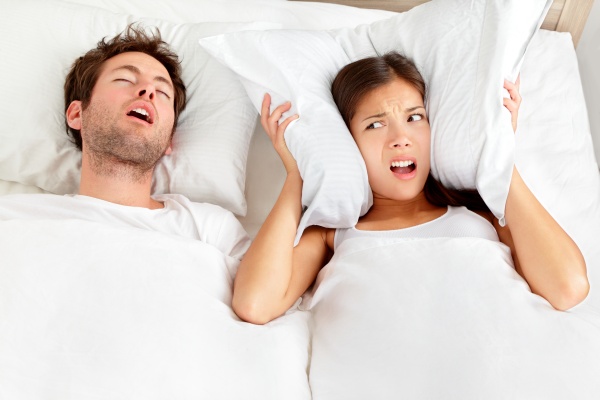
Sleep apnea is a serious condition that causes people to stop breathing for a few seconds at regular intervals while sleeping. When the air passages are blocked, airflow is restricted temporarily, reducing the amount of oxygen the brain gets. The condition has physiological and mental implications for the patient and can cause unwanted side effects. An available treatment option for sleep apnea are oral appliances, which are provided by dentists.
Oral appliance therapy for sleep apnea
Oral appliances are created to be worn inside the oral cavity by a patient while sleeping. They prevent the air passages from closing or collapsing and ensure free and easy breathing. The device is highly effective for treating mild to moderate cases of sleep apnea.
There are several types of oral devices available for treating sleep apnea and snoring. These devices will either move the lower jaw forward or work as tongue retaining appliances. Each aims to prevent or restrict the tongue from falling backward and inhibiting the airway.
A mandibular advancement device (MAD) looks like a mouthguard. The device fits over the top and bottom teeth and the two halves are held together by hinges. Once in place, the MAD shifts the lower jaw forward, stabilizing the tongue and soft palate to ensure the airway stays open during sleep.
Tongue retaining devices are less frequently recommended. They are splint-like appliances that work by holding the tongue forward. They are not as comfortable or as user-friendly as the mandibular advancement device.
Boil and bite devices are procured over the counter as a one-size-fits-all. The patient will immerse it into hot water and then bite into it to fit. They are cheap alternatives, but they are not nearly as effective as custom-made dental devices. They may even worsen the problem.
A patient with sleep apnea will benefit from getting a custom-made appliance from their dentist, especially if they habitually grind their teeth or like to sleep on their back or stomach. A custom device will improve quality of sleep, reduce the rate and intensity of snoring and minimize the number of breathing cessations that occur during the night. Generally, there is a higher compliance rate with oral appliances than CPAP machines.
Points to consider
Dental appliances have proven successful in managing sleep apnea on a long-term basis when compared to traditional surgery treatment for sleep apnea, which involves removing the soft tissues at the back of the throat.
There are, however, drawbacks to the use of oral appliances. Prolonged usage can sometimes cause changed bite, dry lips, excessive salivation, and movement or pain in the teeth. The dentist will continually monitor the patient to ensure the effectiveness of the oral device.
In conclusion
If you are considering getting an oral dental appliance for the treatment of sleep apnea, you need to discuss it with your general dentist first. The dentist will assess the condition to know if you will benefit from the device. In severe cases of sleep apnea, the CPAP device may be used together with an oral appliance for successful treatment.
Request an appointment here: https://artisandentalbellevue.com or call Artisan Dental at (425) 454-2005 for an appointment in our Bellevue office.
Check out what others are saying about our services on Google: Read our Google reviews.
Related Posts
Cosmetic dental services help patients improve the look of their teeth and smile. Two common cosmetic dental services are dental bonding and dental veneers. Both services can address issues such as discoloration, chips, or gaps in teeth. However, there are differences based on the materials used, durability, and overall cost. It is important to understand…
.intro-container Sleep apnea repeatedly interrupts your breathing at night, which lowers oxygen and stresses your heart and blood vessels. Over time, this raises the risk of high blood pressure, irregular heartbeats, and other heart problems, so treating sleep apnea may help protect your cardiovascular health. 30 million US adults are estimated to have sleep apnea…
Dental implants provide a fixed tooth replacement option for individuals seeking to restore chewing ability, speech, and the appearance of their smile after tooth loss. Traditional dentures can effectively replace missing teeth, but removable appliances often require adjustments as the gums and jawbone change. Understanding these eight differences between each option can help patients explore…
A TMJ dentist can help patients understand jaw pain, clicking, stiffness, and other symptoms linked to the temporomandibular joints. These joints connect the lower jaw to the skull and support chewing, speaking, and yawning. When the joints, muscles, teeth, or jaws do not work together well, patients may develop discomfort that affects eating, speaking, and…