What To Expect When Getting Dental Fillings [Dental Restoration]
If you have cavities and are scheduled to get dental fillings, it may help to know what to expect during the procedure so that you can prepare accordingly. Cavities are common, and a visit to the dentist is important once you notice the signs. Postponing treatment may worsen the condition and cause complications.
Dental fillings procedure
Getting dental fillings usually involves four basic steps. The following describes what to expect before, during and after the procedure:
Examination
The dentist checks the tooth to assess the extent of the cavity. They may apply a dye that reveals areas of decay. This process is painless and straightforward. An X-ray scan may also be suggested. Knowing the extent of decay will help the dentist decide the treatment approach for the dental restoration process.
Preparations
Because the treatment is non-invasive, there is very little that patients need to do to prepare for the procedure. They should brush their teeth as usual before visiting the dental office. The total time required for the treatment itself depends on the extent of the damage and the number of teeth affected. It usually takes less than an hour to complete a single filling.
Filling process
To minimize pain, the dentist administers local anesthesia, numbing the affected tooth and the surrounding area. Patients who suffer from severe dental anxiety may need to be sedated fully. A simple filling is minimally painful. The anesthesia should be enough to make the treatment easy and comfortable for virtually all patients.
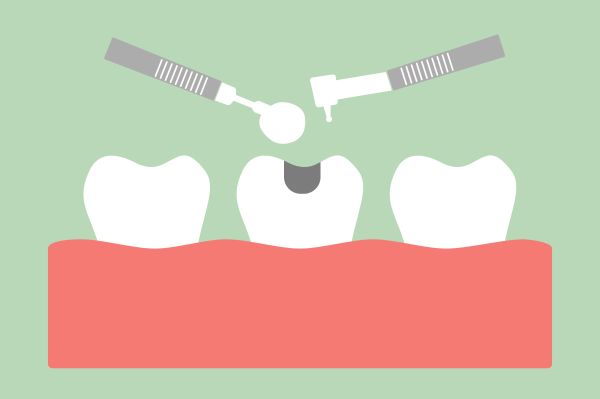
After numbing the area, the dentist uses a dental tool to remove the decay. Following that, they use water to clean the tooth thoroughly. In some instances, a laser may be used to eliminate decayed or damaged portions of the tooth. After that, the dentist uses a gel to clean the tooth and get rid of any existing debris or bacteria.
After the tooth is clean, it is ready for the filling. Depending on the condition of the tooth and the patient’s preferences, the dentist may use composite, porcelain or amalgam material to fill the tooth. First, an adhesive is rubbed over the tooth to help the filling material stay in place. If composite is used, it will be applied to the gap left by the decay. A special device will help to harden the material. The dentist builds up the tooth with this process and seals the tooth to prevent damages or bacterial invasion.
After applying the fillings, the dentist smooths the tooth's edges and polishes it to make the filling look and feel normal. They will then check to see if the filling aligns with the rest of the teeth properly.
Aftercare
After receiving dental fillings, patients must practice excellent oral hygiene, which includes brushing, flossing and regular dental checkups. The fillings may be strong, but they are still vulnerable to damages. With proper care, dental fillings can last a long time before needing replacement. If a filling breaks or chips, another visit to the dentist is necessary for repairs. The same applies if a filling seem to be loosening from its tooth.
Final note
If you notice any signs of a cavity, it is advisable to visit the dentist for a dental filling. The entire procedure is quick and easy, and it will protect the tooth from further damage.
Request an appointment here: https://artisandentalbellevue.com or call Artisan Dental at (425) 454-2005 for an appointment in our Bellevue office.
Check out what others are saying about our services on Google: Read our Google reviews.
Related Posts
Cosmetic dental services can transform a patient’s smile for the better. For those who want only subtle changes, these services can be used to enhance the natural look of the smile. Either way, knowing when to see a dentist for cosmetic dental services starts with learning the basics about these treatments.There is no wrong time…
Cosmetic dental services can enhance the appearance of teeth that are uneven, worn down, or slightly misaligned. These treatments focus on improving aesthetics while preserving or improving oral function.Tooth reshaping, also called dental contouring, is a non-invasive procedure used to subtly change the size, shape, or surface of a tooth. By gently removing small amounts…
Cosmetic dental services help patients improve the look of their teeth and smile. Two common cosmetic dental services are dental bonding and dental veneers. Both services can address issues such as discoloration, chips, or gaps in teeth. However, there are differences based on the materials used, durability, and overall cost. It is important to understand…
.intro-container Sleep apnea repeatedly interrupts your breathing at night, which lowers oxygen and stresses your heart and blood vessels. Over time, this raises the risk of high blood pressure, irregular heartbeats, and other heart problems, so treating sleep apnea may help protect your cardiovascular health. 30 million US adults are estimated to have sleep apnea…