Do Dentists Recommend Tongue Exercises for Sleep Apnea?
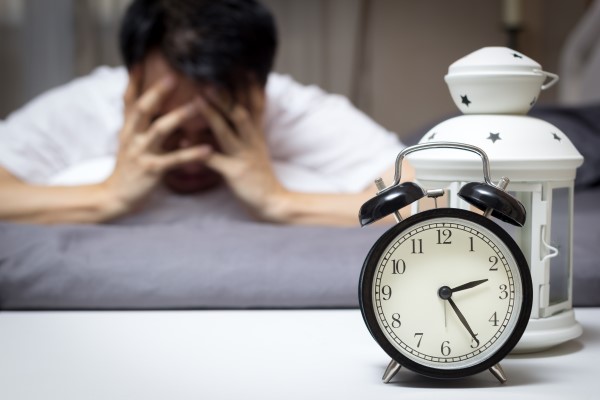
Sleep apnea is a condition that leads to interruptions in a person's breathing during sleep. It can be caused by soft tissues in the mouth getting into the airways during sleep or the jaw being at an angle that restricts breathing. Many people who snore do so as a result of sleep apnea.
Sleep apnea might seem like a minor issue, but it is far from it. It prevents people who have it from getting restful sleep and they often wake up feeling tired and lethargic. People with sleep apnea are more likely to develop health conditions like heart disease and high blood pressure. They are also more susceptible to depression and other mental health issues.
Fortunately, exercising the tongue can help to alleviate sleep apnea. Some cases are caused by the person's tongue falling into their airways during sleep and exercise is an effective way to train the tongue to stop doing that.
How exercising the tongue helps with sleep apnea
Obstructive sleep apnea is caused by tissues in the mouth blocking a person's airways when they sleep. As a result, the person has interruptions in their breathing during sleep, forcing them to wake up momentarily to restore their breathing. These interruptions occur many times during sleep, preventing them from getting prolonged sleep.
One of the main causes of obstructive sleep apnea is the person's tongue over-relaxing, falling into the back of the throat and blocking the airways. Strengthening the tongue helps to keep it in the proper resting position when sleeping. Research shows that these treatments work and they can help people with moderate sleep apnea to minimize their symptoms. It can even prevent the need for a CPAP machine, which is used to treat moderate to severe sleep apnea.
Adults and children alike can benefit from strengthening their tongue if they have obstructive sleep apnea. The process is called oral myofunctional therapy (OMT) and it involves having a professional that understands the intricacies of the tongue assessing how the patient's orofacial structures work together. The therapist will craft a treatment plan that addresses the behavior of the patient's tongue.
The therapist will show the patient exercises that will teach their tongue to stay in its proper resting position during sleep. Strengthening the tongue can also make it easier to breathe and to swallow during the day. The benefits that come with this approach to treating obstructive sleep apnea include:
- It is an inexpensive treatment option
- Treatment can be provided remotely via teletherapy
- It is a non-invasive treatment option
- It can negate the need for surgical treatments
Get the sleep apnea treatment you need
Dealing with obstructive sleep apnea? Contact our Bellevue clinic to learn more about how exercising your tongue can help to reduce the symptoms of sleep apnea. We also provide oral appliances that can help to keep your tongue in the proper position while you sleep.
Request an appointment here: https://artisandentalbellevue.com or call Artisan Dental at (425) 454-2005 for an appointment in our Bellevue office.
Check out what others are saying about our services on Google: Read our Google reviews.
Related Posts
Cosmetic dental services can transform a patient’s smile for the better. For those who want only subtle changes, these services can be used to enhance the natural look of the smile. Either way, knowing when to see a dentist for cosmetic dental services starts with learning the basics about these treatments.There is no wrong time…
Cosmetic dental services can enhance the appearance of teeth that are uneven, worn down, or slightly misaligned. These treatments focus on improving aesthetics while preserving or improving oral function.Tooth reshaping, also called dental contouring, is a non-invasive procedure used to subtly change the size, shape, or surface of a tooth. By gently removing small amounts…
Cosmetic dental services help patients improve the look of their teeth and smile. Two common cosmetic dental services are dental bonding and dental veneers. Both services can address issues such as discoloration, chips, or gaps in teeth. However, there are differences based on the materials used, durability, and overall cost. It is important to understand…
.intro-container Sleep apnea repeatedly interrupts your breathing at night, which lowers oxygen and stresses your heart and blood vessels. Over time, this raises the risk of high blood pressure, irregular heartbeats, and other heart problems, so treating sleep apnea may help protect your cardiovascular health. 30 million US adults are estimated to have sleep apnea…